Homeownership: Understanding Down Payments
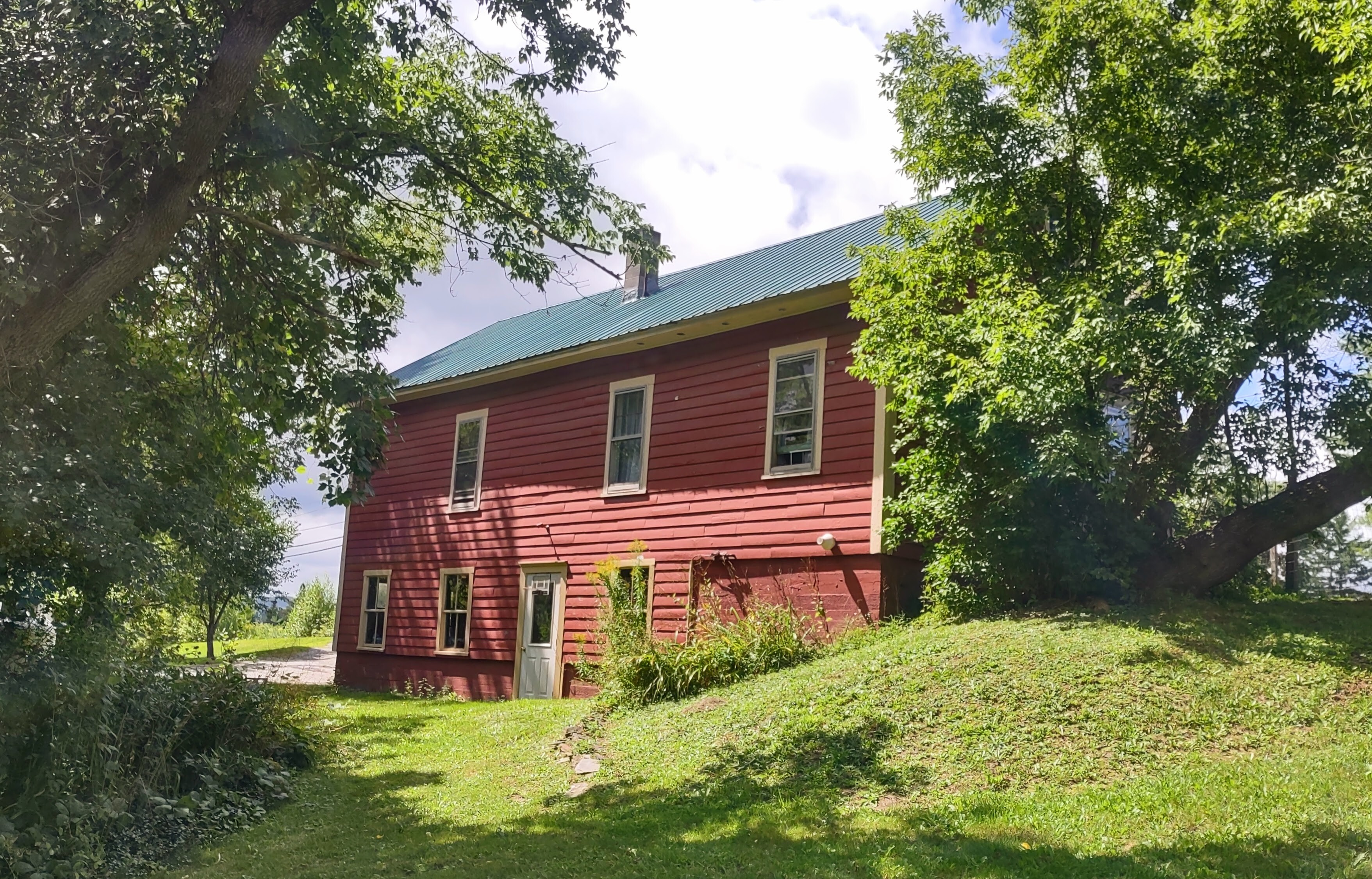
Ask most Vermonters what's standing between them and a home of their own, and you'll hear the same answer: the down payment. Not the monthly payment—many people are already paying rent that rivals a mortgage. It's the pile of cash you're supposedly required to produce at closing.
Here's the good news: that pile is smaller than you've been told, and there is real money available to help you get there. Not a gimmick, not a teaser rate. State-funded programs built for exactly this problem.
October is financial planning season, so let's put the actual numbers on the table.

First, Retire the 20% Myth
Twenty percent down is a holdover from a different era. Today, VHFA-backed mortgages and other first-time buyer loan products work with far less—and the assistance programs below are designed to cover much of what's left. The people who wait until they've saved 20% are, in many cases, waiting for a target that keeps moving as prices rise.
ASSIST: up to $10,000, and you Don't Pay it Back Monthly
The Vermont Housing Finance Agency's ASSIST program provides up to $10,000 toward your down payment and closing costs.
The structure is what makes it powerful. It's a 0% interest second mortgage with no monthly payment. Nothing is due until you sell the home, refinance, or pay off your first mortgage. It doesn't raise your monthly cost at all—it simply gets you to the closing table.
To qualify, you'll need to be a true first-time homebuyer with less than $20,000 in combined liquid assets, and you'll need to pair ASSIST with an eligible VHFA first mortgage.

First Generation Homebuyer Grant: $15,000 you never repay
Vermont's First Generation Homebuyer program is a $15,000 grant—not a loan. There is no repayment.
It exists to address something honest about how wealth works in this country: buyers whose parents owned a home often get help with a down payment, and buyers whose parents didn't, don't. You may qualify if at least one buyer on the title:
- has parents or legal guardians who never owned a home, or
- has parents or guardians who lost a home to foreclosure and haven't owned since, or
- spent time in foster care.
The same first-time buyer and $20,000 liquid asset rules apply, and funding is first-come, first-served while it lasts.
The Part People Miss: They Stack
You can combine ASSIST and the First Generation grant. For a buyer who qualifies for both, that's as much as $25,000 toward a down payment and closing costs—$15,000 of which is never repaid.
That's the difference between "someday" and this year for a lot of Vermont households.
And there's a tax credit, too.
If you use VHFA's MOVE MCC program, you receive a Mortgage Credit Certificate at closing that delivers a federal income tax credit of up to $2,000 every year you live in the home. Over a decade, that's real money back in your household budget, and it's the kind of benefit that rarely comes up in a casual conversation with a lender.

Where the Limits Land
These programs come with income and purchase price limits, which VHFA updates regularly. Under the limits that took effect July 1, 2026, MOVE program income limits run roughly $110,000 to $145,000 depending on your county and household size, with purchase price limits of $450,000 to $500,000. The ADVANTAGE program allows higher limits statewide.
Translation: these are not narrow, hard-to-hit programs. Many working Vermont households qualify and simply don't know it.
Because the figures above change periodically and funding runs out, treat them as a starting point rather than a final answer—which brings us to the step most people skip.
There's a Path Most Vermonters Never Hear About
Everything above assumes you're buying on the open market. But Vermont pioneered a different model, and it's one of the best-kept secrets in the state: shared equity homeownership.
Here's the idea. A permanent subsidy stays with the home rather than the buyer. You purchase at a price well below market, you own it outright, you build equity, you can renovate and sell whenever you like. The tradeoff comes at resale: you keep a portion of the appreciation, and the rest stays with the home so the next Vermont family can afford it too.
For a lot of households, this is the difference between being priced out of their own town and owning in it. And unlike the programs above, these homes come with counseling built in from day one—plus more forgiving terms. The liquid asset limit is far higher than the $20,000 ceiling on ASSIST.
You do need to attend an informational meeting and complete homebuyer education to enter the shared equity program, which you can learn more about here.
One More Thing: Education Isn't Optional
Homebuyer education is required for VHFA loan programs—at least one borrower has to complete it. VHFA accepts a handful of providers, including several click-through online courses.
We'd gently suggest that's the wrong place to save two hours.
An online module issues you a certificate. It doesn't pull your credit with you, doesn't know that a shared equity home is coming available in your town, and doesn't notice that you'd qualify for a $15,000 grant you'd never heard of. Our counselors are HUD-certified, independent, and local—we don't originate your mortgage and we aren't paid on your loan, so our only job is to get you every dollar you're entitled to.
The sequence that actually works looks like this:
1. Talk to a counselor first. It's free, and you'll leave knowing which pathway—market-rate or shared equity—you qualify for today.
2. Complete your homebuyer education. You need it anyway. Do it before you're under deadline pressure, not during.
3. Get matched to a lender with your certificate and your assistance already lined up.
Buyers who do it in that order walk into a lender's office knowing their number, their programs, and their timeline. Buyers who do it backward find out about a $15,000 grant after they've already committed to a loan that can't use it.

What to Do Next
There are two things worth doing before the year ends:
1. Sit down with a housing counselor. Free, and in one session you'll know which programs you qualify for today and what to change if you don't yet.
2. Get your homebuyer education on the calendar. It's required either way, and fall sessions fill up.
Assistance funds are limited and awarded first-come, first-served. The buyers who get them are almost always the ones who got prepared early.
Program details in this post reflect VHFA's published figures as of October 2026. Amounts and eligibility can change, and funding is limited—your counselor will confirm what's available when you're ready to buy.